首页
关于这个博客
Search
1
Java 实现Google 账号单点登录(OAuth 2.0)全流程解析
231 阅读
2
Spring AI 无法获取大模型深度思考内容?解决方案来了
202 阅读
3
微信小程序实现页面返回前确认弹窗:兼容左上角返回与右滑返回
91 阅读
4
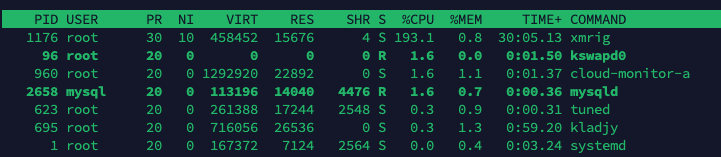
服务器遭遇 XMRig 挖矿程序入侵排查与清理全记录
66 阅读
5
解决 Mac 版 PicGo 无法打开问题:“已损坏,无法打开” 报错处理指南
37 阅读
Java 核心
框架与中间件
数据库技术
开发工具与效率
问题排查与踩坑记录
程序员成长与思考
前端
登录
Search
标签搜索
java虚拟机
JVM
保姆级教程
Java
Spring AI
SpringBoot
Nginx
WebFlux
Spring
cdn
https
dcdn
网站加速
Tool
图片导出
服务部署
源码解析
单点登录
google
sso
Luca Ju
累计撰写
35
篇文章
累计收到
1
条评论
首页
栏目
Java 核心
框架与中间件
数据库技术
开发工具与效率
问题排查与踩坑记录
程序员成长与思考
前端
页面
关于这个博客
搜索到
35
篇与
的结果
2023-05-25
java使用POI导出Excel单元格为数字类型
第一版开发的时候,所有的单元格都是文本类型,由于需求方需要导出Excel可以直接使用函数计算,所以需要改动一下,将导出的Excel设置为数值类型。创建XSSFCellStyle// 此处设置数据格式 XSSFDataFormat df = wb.createDataFormat(); // 创建单元格样式 XSSFCellStyle numberStyle = wb.createCellStyle(); numberStyle.setFillForegroundColor((short) 1); //设置要添加表背景颜色 numberStyle.setFillPattern(FillPatternType.SOLID_FOREGROUND); //solid 填充 numberStyle.setAlignment(XSSFCellStyle.ALIGN_CENTER); //文字水平居中 numberStyle.setVerticalAlignment(XSSFCellStyle.VERTICAL_CENTER);//文字垂直居中 numberStyle.setBorderBottom(BorderStyle.THIN); //底边框加黑 numberStyle.setBorderLeft(BorderStyle.THIN); //左边框加黑 numberStyle.setBorderRight(BorderStyle.THIN); // 有边框加黑 numberStyle.setBorderTop(BorderStyle.THIN); //上边框加黑 // 注意#,##0.00_ 后面有一个空格 numberStyle.setDataFormat(df.getFormat("#,##0.00_ ")); //为单元格添加背景样式 sheet=setTitleStyle(sheet,rowNum,colNum,style1);创建单元格,并且设置XSSFCellStyle。private static XSSFSheet setTitleStyle(XSSFSheet sheet,int rowNum,int colNum,XSSFCellStyle style){ for (int i = 0; i < rowNum; i++) { //需要行表格 Row row = sheet.createRow(i); //创建行 row.setHeight((short)600); for (int j = 0; j < colNum; j++) {//需要列 row.createCell(j).setCellStyle(style); } } return sheet; }在为单元格赋值的时候,将数据转换为Double类型。
2023年05月25日
8 阅读
0 评论
0 点赞
2023-04-14
使用Apache POI 设置单元格中文字方向
前几天遇到了一个需求,需要使用Apache POI导出Excel,并且还需要实现单元格合并和文字竖向展示的功能。最终结果是这个样子介绍一下合并单元格和文字竖向展示的实现方法。1、合并单元格只要知道需要合并单元格的行号和列号就可以//创建工作簿 XSSFWorkbook workBook = new XSSFWorkbook(); //创建一个sheet XSSFSheet sheet = workBook.createSheet(); CellRangeAddress balanceCell = new CellRangeAddress(0, 4, 1, 1); sheet.addMergedRegion(balanceCell);2、文字竖向显示获取到需要竖向显示的单元格,然后设置单元格样式,设置Rotation属性 //创建工作簿 XSSFWorkbook workBook = new XSSFWorkbook(); //创建一个sheet XSSFSheet sheet = workBook.createSheet(); CellStyle directionStyle = workBook.createCellStyle(); directionStyle.setRotation((short)255); XSSFRow row = sheet.getRow(0); XSSFCell cell = row.getCell(4); cell.setCellStyle(directionStyle);
2023年04月14日
12 阅读
0 评论
0 点赞
2020-05-25
MyBatis分页助手报错java.util.ArrayList cannot be cast to com.github.pagehelper.Page
最近在使用MyBatis时遇到了这问题原本可以正常使用分页,但是当我添加了一个查询条件时突然报出了这个错误,后来终于找到了原因。因为PageHelper.startPage(pageNum,pageSize)方法 只会对靠近的第一个查询语句进行分页。结果我新添加的查询条件又进行了一个select查询,所以会产生这个错误如:PageHelper.startPage(pageNum, pageSize, true);XXXMapper.xxxxPage<> page= (Page<>)TestMapper.query( );改为:XXXMapper.xxxxPageHelper.startPage(pageNum, pageSize, true);Page<> page= (Page<>)TestMapper.query( ); 或者:PageHelper.startPage(pageNum, pageSize, true);Page<> page= (Page<>)TestMapper.query( );XXXMapper.xxxx这样就不会报这个错了。 还是因为自己对这个分页助手不够了解呀。。。
2020年05月25日
1 阅读
0 评论
0 点赞
2020-04-11
写给新同学的SpringBoot教程 — 高级篇
写给新同学的SpringBoot教程 — 高级篇一、添加缓存1、使用SpringBoot自带缓存功能1、基本使用在主类上添加注解@EnableCaching在业务方法上添加@Cacheable(cacheNames = "xxx")注解这样即可实现基础的缓存功能基本流程:@Cacheable:方法执行之前,先去查询Cache(缓存组件),按照CacheNames指定的名字获取,(CacheManager先获取相应的缓存),第一次获取缓存如果没有Cache组件会自行创建去Cache中查找缓存的内容,使用一个key,默认就是方法的参数key是按照某种策略生成的,默认hi使用keyGenerator生成的。默认使用SimplekeyGenerator生成key: 如果有一个参数,key=参数的值 如果没有参数,key=new SimpleKey(); 如果有多个参数,key=new SimpleKey(params);没有查到缓存就去调用目标方法;方法查询结束后,将目标方法返回的结果放入到缓存中。总结: @Cacheable标注的方法执行之前先来检查缓存中有没有这个数据,默认按照参数的值作为key去查询缓存,如果缓存中没有,就执行方法并将结果放入到缓存中;以后再来调用就可以直接将缓存中的数据进行返回。核心:使用CaCheManager【ConCurrentMapCacheManager】按照名字得到Cache【ConcurrentMapCache】组件key是使用keyGenerator生成的,默认是SimpleKeyGenerator主类:@SpringBootApplication @MapperScan(value = "com.jcq.cache.mapper") @EnableCaching //这个注解不要忘了 public class Springboot09CacheApplication { public static void main(String[] args) { SpringApplication.run(Springboot09CacheApplication.class, args); } }业务方法@Service public class EmployeeService { @Resource private EmployeeMapper employeeMapper; @Cacheable(cacheNames = "emp",key = "#root.methodName+'['+#id+']'") public Employee getEmp(Integer id){ return employeeMapper.selEmpByid(id); } }2、其他属性keyGenerator:key的生成器,可以自己指定key的生成器组件的id ,key/keyGenerator二选一使用。cacheManager:指定缓存管理器,或者cacheResolver指定获取解析器。condition:满足条件是放入缓存。unless:满足条件是不放入缓存,与condition正好相反。sync:默认为false,true为开启异步缓存。若开启异步,unless注解无效3、其他注解@CachePut注解:方法运行完后,将数据放入缓存中@CachePut与@Cacheable的区别: 后者在方法运行前先到缓存总查询,前者在方法执行后,将数据放入缓存中。注意: 只有保持数据的key相同,才能实现数据的同步更新。 @CachePut(cacheNames = "emp",key = "#employee.id") public Employee update(Employee employee){ employeeMapper.updEmp(employee); return employee; }@CacheEvict:清除缓存数据allEntries:清空所有缓存,默认为falsebeforeInvocation:在方法执行前清空缓存,默认为false注意:保持数据key同一,才可以保持数据同步。 //测试清除缓存中的数据 @CacheEvict(cacheNames = "emp",key = "#id") public void delEmpCache(Integer id){ System.out.println("清除缓存"); }@Caching:可以将多个注解组合//测试Caching的使用 @Caching(cacheable = { @Cacheable(value = "emp", key = "#lastName") }, put = {@CachePut(value = "emp", key = "#result.id"), @CachePut(value = "emp",key = "#result.email") } ) public Employee selBylastName(String lastName){ return employeeMapper.selBylastName(lastName); } 2、整合redis1、redis命令常用命令网址2、步骤在pom.xml中引入下列依赖<!--引入redis启动器--> <dependency> <groupId>org.springframework.boot</groupId> <artifactId>spring-boot-starter-data-redis</artifactId> </dependency>配置文件如下#配置redis spring.redis.host=192.168.91.128SpringBoot把对redis的操作封装在RedisTemplate 和 StringRedisTemplate中@SpringBootTest class Springboot09CacheApplicationTests { @Autowired private RedisTemplate redisTemplate; @Autowired private StringRedisTemplate stringRedisTemplate; @Autowired private EmployeeService employeeService; @Test public void testRedis(){ //添加字符串 // stringRedisTemplate.opsForValue().append("msg","helloworld"); //添加list // stringRedisTemplate.opsForList().leftPushAll("mylist","1","2","3"); //取出list // String str = stringRedisTemplate.opsForList().leftPop("mylist"); // System.out.println(str); Employee emp = employeeService.getEmp(1); //添加对象 redisTemplate.opsForValue().set("emp",emp); }3、添加自定义组件,将对象转化为json字符串存储@Configuration public class MyRedisTemplate { @Bean public RedisTemplate<Object, Employee> redisTemplate(RedisConnectionFactory redisConnectionFactory) throws UnknownHostException { RedisTemplate<Object, Employee> template = new RedisTemplate(); template.setConnectionFactory(redisConnectionFactory); template.setDefaultSerializer(new Jackson2JsonRedisSerializer(Employee.class)); return template; } }而在服务启动过程中,使用的CacheManager依旧默认按照序列化的方式进行对象存储,所以还需要添加组件来达到将对象用json存储的目的 /** * 缓存管理器 */ @Bean public CacheManager cacheManager(RedisConnectionFactory redisConnectionFactory) { //初始化一个RedisCacheWriter RedisCacheWriter redisCacheWriter = RedisCacheWriter.nonLockingRedisCacheWriter(redisConnectionFactory); //设置CacheManager的值序列化方式为json序列化 RedisSerializer<Object> jsonSerializer = new GenericJackson2JsonRedisSerializer(); RedisSerializationContext.SerializationPair<Object> pair = RedisSerializationContext.SerializationPair .fromSerializer(jsonSerializer); RedisCacheConfiguration defaultCacheConfig=RedisCacheConfiguration.defaultCacheConfig() .serializeValuesWith(pair); //设置默认超过期时间是30秒 defaultCacheConfig.entryTtl(Duration.ofSeconds(30)); //初始化RedisCacheManager return new RedisCacheManager(redisCacheWriter, defaultCacheConfig); }二、SpringBoot与消息1、使用docker安装rabbitmq//下载rabbitmq docker pull rabbitmq:3-management //运行 docker run -d -p 5672:5672 -p 15672:15672 --name myrabbitmq id默认用户名密码均为:guest转换器类型:direct:只有key相同的队列才可以收到消息fanout:任意队列都能收到消息atguigu.# : #表示0或多个词.news : 表示0或一个单词2、SpringBoot整合Rabbitmq1、基础使用配置文件:**spring.rabbitmq.username=guest spring.rabbitmq.password=guest spring.rabbitmq.host=192.168.91.128 #默认为5672,不需要配置 #spring.rabbitmq.port=5672测试代码: /** * 单播 */ @Test void contextLoads() { Map<String, Object> map = new HashMap<>(); map.put("name", "张三"); map.put("age", 18); rabbitTemplate.convertAndSend("exchange.direct","atguigu.news",map); }但是这样发送的消息,会以默认的序列化方式进行存储。效果接收消息: /** * 接收消息 */ @Test void recieve(){ Object o = rabbitTemplate.receiveAndConvert("atguigu.news"); System.out.println(o.getClass()); System.out.println(o); }自定义组件,使用json格式进行对象转化@Configuration public class MyAMQPConfig { @Bean public MessageConverter messageConverter(){ return new Jackson2JsonMessageConverter(); } }广播测试代码 /** * 广播 */ @Test void sendMsg(){ rabbitTemplate.convertAndSend("exchange.fanout","",new Book("SpringMVC","张佳明")); }2、消息监听主类上添加@EnableRabbit注解@EnableRabbit @SpringBootApplication public class SpringBoot10AmqpApplication { public static void main(String[] args) { SpringApplication.run(SpringBoot10AmqpApplication.class, args); } }业务代码如下:@Service public class BookService { @RabbitListener(queues = "atguigu.news") public void bookLinstener(Book book){ System.out.println("接收到消息"+book); } }3、使用AmqpAdmin管理工具 @Autowired private AmqpAdmin amqpAdmin; @Test void createRabbit(){ //创建转换器 // amqpAdmin.declareExchange(new DirectExchange("AmqpAdmin.exchange")); // System.out.println("转换器创建成功"); //创建消息队列 // amqpAdmin.declareQueue(new Queue("AmqpAdmin.news")); // System.out.println("消息队列创建成功"); //创建绑定规则 amqpAdmin.declareBinding(new Binding("AmqpAdmin.news", Binding.DestinationType.QUEUE, "AmqpAdmin.exchange", "AmqpAdmin.haha", null)); System.out.println("创建绑定成功"); //删除队列 amqpAdmin.deleteQueue("AmqpAdmin.news"); System.out.println("删除队列"); amqpAdmin.deleteExchange("AmqpAdmin.exchange"); System.out.println("删除转换器"); }三、SpringBoot与检索ElasticSearch1、搭建环境1、下载es docker pull elasticsearch 2、启动命令 [root@localhost ~]# docker run -e ES_JAVA_OPTS="-Xms256m -Xmx256m" -d -p 9200:9200 -p 9300:9300 --name ES01 5acf0e8da90b 7d33661ebabc32621173c4c9648047016e6ede9fc625c51340692736b7fdf170 其中: ES_JAVA_OPTS="-Xms256m -Xmx256m" :-Xms 初始堆内存大小 -Xmx 最大使用内存 9200:es默认web通信使用9200端口 9300:当分布式情况下es多个节点之间通信使用9300端口 文档地址:https://www.elastic.co/guide/cn/elasticsearch/guide/current/index-doc.htmlSpringBoot默认支持两种技术和ElasticSearch交互一、Jest(默认不生效)需要导入jest的工具包(io.serachbox.chlient.JestClient)需要将默认的SpringBoot-data-Elasticsearch注释掉导入jest依赖但是jest已经过时,不演示了二、SpringDataClient节点信息clusterNodes,clusterNameElasticsearchTemplate来操作es编写一个ElasticsearchRepository子接口来操作es因版本问题,暂时没有解决SpringBoot2.X版本整合es的方法,使用会报错四、SpringBoot与任务1、异步任务1、在主类添加@EnableAsync注解2、在业务层添加@Async注解即可实现异步任务@Async @Service public class AsyncService { public void testAsync(){ try { Thread.sleep(3000); } catch (InterruptedException e) { e.printStackTrace(); } System.out.println("方法执行完毕"); } }2、定时任务cron表达式:Cron表达式的格式:秒 分 时 日 月 周 年(可选)。字段名 允许的值 允许的特殊字符 秒 0-59 , - * / 分 0-59 , - * / 小时 0-23 , - * / 日 1-31 , - * ? / L W C月 1-12 or JAN-DEC , - * / 周几 1-7 or SUN-SAT , - * ? / L C # 年(可选字段) empty 1970-2099 , - * /具体的用法:https://www.cnblogs.com/lazyInsects/p/8075487.html @Scheduled(cron = "0 * * * * MON-FRI") 周一到周五,没整分运行一次 // @Scheduled(cron = "0/4 * * * * MON-FRI") 没整分,间隔4秒执行 @Scheduled(cron = ) public void testAsync(){ System.out.println("方法执行完毕"); } }在方法上加上@Scheduled注解在主类添加@EnableSchelding注解主类代码如下//@EnableAsync @EnableScheduling @SpringBootApplication public class SpringBoot12TaskApplication { public static void main(String[] args) { SpringApplication.run(SpringBoot12TaskApplication.class, args); } } 3、邮件任务配置文件spring.mail.username=1036658425@qq.com spring.mail.password=kersbnhzzuhfbdih spring.mail.host=smtp.qq.com@Autowired JavaMailSenderImpl mailSender; @Test void contextLoads() { //创建简单邮件对象 SimpleMailMessage massage = new SimpleMailMessage(); //设置主题 massage.setSubject("简单测试"); //设置内容 massage.setText("测试简单邮件发送"); //设置收件方 massage.setTo("594082079@qq.com"); //设置发送方 massage.setFrom("1036658425@qq.com"); mailSender.send(massage); } @Test public void test02() throws MessagingException { //测试复杂邮件发送 MimeMessage mimeMessage = mailSender.createMimeMessage(); MimeMessageHelper helper = new MimeMessageHelper(mimeMessage,true); helper.setSubject("复杂发送"); helper.setText("<b style='color:red'>测试复杂邮件发送</b>",true); helper.addAttachment("a.jpg",new File("E:\\笔记\\SpringBoot\\springboot高级\\SpringBoot高级.assets\\image-20200310195943079.png")); helper.addAttachment("b.jpg",new File("E:\\笔记\\SpringBoot\\springboot高级\\SpringBoot高级.assets\\image-20200310201323308.png")); helper.setTo("594082079@qq.com"); helper.setFrom("1036658425@qq.com"); mailSender.send(mimeMessage); } 五、SpringBoot与安全1、业务部分代码编写配置类@EnableWebSecurity public class MySecurityConfig extends WebSecurityConfigurerAdapter { //添加认证功能 @Override protected void configure(HttpSecurity http) throws Exception { // super.configure(http); http.authorizeRequests().mvcMatchers("/").permitAll() .mvcMatchers("/level1/**").hasRole("VIP1") .mvcMatchers("/level2/**").hasRole("VIP2") .mvcMatchers("/level3/**").hasRole("VIP3"); //开启登录认证页面 http.formLogin(); //开启自动配置注销功能 http.logout().logoutSuccessUrl("/"); //访问/logout 清除session //开启自动配置记住我功能 http.rememberMe(); } //添加登录授权功能 @Override protected void configure(AuthenticationManagerBuilder auth) throws Exception { // super.configure(auth); auth.inMemoryAuthentication().passwordEncoder(new BCryptPasswordEncoder()) .withUser("zhangsan").password(new BCryptPasswordEncoder().encode("123456")).roles("VIP1","VIP2") .and().withUser("lisi").password(new BCryptPasswordEncoder().encode("123456")).roles("VIP2","VIP3") .and().withUser("wangwu").password(new BCryptPasswordEncoder().encode("123456")).roles("VIP3","VIP1"); }整合页面部分,因版本问题,暂时没有效果,先不放图片了六、分布式1、Dubbo下载镜像[root@localhost ~]# docker pull zookeeper [root@localhost ~]# docker run --name zk01 -p 2181:2181 --restart always -d bbebb888169c 1、提供者将服务提供者注册到注册中心导入相关依赖Dubbo和Zkclient<!--引入Dubbo服务启动器--> <dependency> <groupId>com.alibaba.boot</groupId> <artifactId>dubbo-spring-boot-starter</artifactId> <version>0.1.0</version> </dependency> <!--引入zookeeper的客户端工具--> <!-- https://mvnrepository.com/artifact/com.github.sgroschupf/zkclient --> <dependency> <groupId>com.github.sgroschupf</groupId> <artifactId>zkclient</artifactId> <version>0.1</version> </dependency>2. 在主类添加启用Dubbo的注解 @EnableDubbo @SpringBootApplication public class ProviderTicketApplication { public static void main(String[] args) { SpringApplication.run(ProviderTicketApplication.class, args); } }如果不加此注解,消费者会报空指针异常 2. 配置application配置文件 dubbo.application.name=provider dubbo.registry.address=zookeeper://192.168.91.128:2181 dubbo.scan.base-packages=com.jcq.ticket.service使用@service发布服务@Component @Service public class TickerServiceImpl implements TickerService { @Override public String getTicker() { return "《厉害了,我的国》"; } }2、消费者导入相关依赖<!--引入Dubbo服务启动器--> <dependency> <groupId>com.alibaba.boot</groupId> <artifactId>dubbo-spring-boot-starter</artifactId> <version>0.1.0</version> </dependency> <!--引入zookeeper的客户端工具--> <!-- https://mvnrepository.com/artifact/com.github.sgroschupf/zkclient --> <dependency> <groupId>com.github.sgroschupf</groupId> <artifactId>zkclient</artifactId> <version>0.1</version> </dependency>配置文件dubbo.application.name=consumer dubbo.registry.address=zookeeper://192.168.91.128:2181 server.port=8081引用服务需要把提供者的包个接口复制到项目中,且保持路径同一加下来就是编写业务代码了import com.alibaba.dubbo.config.annotation.Reference; import org.springframework.stereotype.Service; @Service public class UserServiceImpl { @Reference private TickerService tickerService; public String getTicker(){ return tickerService.getTicker(); } }注意不要到错包了,会导致空指针异常。2、SpringCloud1、注册中心1、首先在主类添加@EnableEurekaServer注解@EnableEurekaServer @SpringBootApplication public class EurekaServerApplication { public static void main(String[] args) { SpringApplication.run(EurekaServerApplication.class, args); } }2、添加配置文件server: port: 8761 #修改服务端口 eureka: client: fetch-registry: false #不从注册中心获取服务 register-with-eureka: false #不在服务中心注册服务 service-url: defaultZone: http://localhost:8761/eureka/ #访问路径 instance: hostname: eureka-server #主机名称3、登录页面查看是否启动成功网址:http://localhost:8761/2、提供者1、编写配置文件server: port: 8001 spring: application: name: provider-ticket eureka: instance: prefer-ip-address: true #注册服务时,使用服务的ip地址 service-url: defaultZone: http://localhost:8761/eureka/2、正常编写业务代码及控制器代码一个项目注册多个服务直接将不同端口好的项目进行打包,使用cmd命令分别执行即可项目打包后的图片管理页面显示内容入下3、消费者1、编写配置文件server: port: 8200 eureka: instance: prefer-ip-address: true service-url: defaultZone: http://localhost:8761/eureka/ spring: application: name: consumer-user2、主类代码:@EnableDiscoveryClient //开启到注册中心查找服务 @SpringBootApplication public class ConsumerUserApplication { public static void main(String[] args) { SpringApplication.run(ConsumerUserApplication.class, args); } /** * 给容器添加组件 * 可以发送远程http请求 * @return */ @LoadBalanced //开启负载均衡功能 @Bean public RestTemplate restTemplate(){ return new RestTemplate(); } }3、业务代码@RestController public class UserController { @Autowired private RestTemplate restTemplate; @GetMapping("/buy") public String buyTicket(String name){ //发送远程请求,请求注册中心的业务方法。地址直接写注册中心中的服务名,不需写端口号 String ticket = restTemplate.getForObject("http://PROVIDER-TICKET/get", String.class); return name+"购买了"+ticket; } }七、热部署只需要到如SpringBoot提供的依赖即可<dependency> <groupId>org.springframework.boot</groupId> <artifactId>spring-boot-devtools</artifactId> <scope>runtime</scope> <optional>true</optional> </dependency>更改代码后,手动CTRL+F9 重新编译,即可实现热部署
2020年04月11日
4 阅读
0 评论
0 点赞
2020-04-06
写给新同学的SpringBoot教程 — 入门篇
一、写给新同学的SpringBoot教程 — 入门篇1、springboot简介在 Java 开发的世界里,Spring Boot 绝对是一个绕不开的重要框架。它是由 Pivotal 团队在 2014 年推出的,基于 Spring 框架的开源项目,旨在简化 Spring 应用的初始搭建和开发过程。2、微服务2014,martin fowler微服务:架构风格(服务微化)一个应用应该是一组小型服务;可以通过HTTP的方式进行互通;单体应用:ALL IN ONE微服务:每一个功能元素最终都是一个可独立替换和独立升级的软件单元;3、环境准备1、maven设置推荐使用3.X我使用的是3.3.32、IDEA配置配置maven、jdk等相关设置4、springboot编写helloworld通过idea自动提供的脚手架功能快速创建springboot项目1、创建springboot时可能出现的错误1、连接springboot网站超时问题 如图给与解决方式 1、1 点击设置 1、2 一次点击图示位置进行网站设置 1、3 在弹出的界面中数据一下网址,并测试连接情况 1、4 出现图示连接成功后,重新创建springboot项目即可5、HelloWorld探究1、pom文件1、父项目<parent> <groupId>org.springframework.boot</groupId> <artifactId>spring-boot-starter-parent</artifactId> <version>2.2.5.RELEASE</version> <relativePath/> <!-- lookup parent from repository --> </parent> springboot会自动依赖一个父项目2、启动器<dependency> <groupId>org.springframework.boot</groupId> <artifactId>spring-boot-starter-web</artifactId> </dependency> 不同的项目会导入不同的启动器,springboot会根据启动器而去选择导入相应的包,从而省去了我们之前配置的xml文件3、主程序类 主程序的main方法要写在最外层的包中,即包含所有的子包,这样就可以加载到所有的配置文件,这是必须的 主程序类需要配置相应的注解:@SpringBootApplication @EnableAutoConfiguration:此注解的作用为,开启自动配置 我们需要自己配置的东西,自动配置类都帮我们解决了。 以上配置都在springboot-autoconfigure这个jar包中6、使用idea快速创建项目1、java目录 1、使用快速创建的项目,java目录中会自动生成主方法,我们只需编写业务逻辑代码即可。 2、@SpringBootApplication:该注解等同于@RequestMapping()和ResponseBody相结合2、resource目录 1、static文件夹:用于存放静态资源,如js、html、image、等 2、templates文件夹:用户放页面显示文件,springboot默认不支持jsp,但是也可以引用模板来使用jsp或他模板3、application.properties 1、该文件中可以修改一些springboot的默认配置,如Tomcat默认端口号等。项目目录结构见下图二、配置文件1、spring认同的配置文件1、application.properties 与我们之前用的配置文件使用方法相同。2、application.yml2、yml文件 yaml 是一种文件类型 也可以也做ymlyaml yaml ain't markup language 这句话可以理解为:yaml a markup language yaml是一个标记语言yaml ism't a markup language yaml不是一个标记语言其实yaml还是标记语言yaml与xml的区别yaml以数据为中心,比xml、json等更适合作为配置文件server: port: 8081 xml<servetr> <port>8081</port> </servetr>3、yaml语法1、基本语法 yaml文件中默认的格式为 k: v k与v中间的空格是不可缺少的,所有左对齐的数据为同一级别。 yaml文件只可以使用空格,不可以使用tab键2、值得表示字面量:普通的值 包括:数字,字符串,布尔值等 语法: k: v 直接在后面写值即可 如: name: zhangsan yaml中“” 与‘’ 的区别: yaml 中双引号不会对内容进行转义 name: "zhangsan \n" 会输出张三+换行 yaml 中单引号会对内容进行转义 name: 'zhangsan \n' 会输出张三 \n对象、map语法如下:people: name: zhangsan age: 19行内式写法people: {name: zhangsan,age: 19}数组(list、集合)以- 的方式进行书写语法如下:pets: - dog - cat - pig行内式的写法如下:pets: [dog,cat,pig]如此写法,你懂了吗?3、yaml文件及代码示例yaml配置文件person: name: zhangsan age: 18 date: 2020/3/4 map: {k1: v1,k2: v2} list: - l1 - l2 pet: name: zhuzhu age: 3代码部分如下:public class Person { private String name; private int age; private Date date; private Map<String,Object> map; private List<Object> list; private Pet pet; //getter and setter 省略...4、使用properties进行相同的文件配置person.name=张三 person.age=18 person.date=2020/3/5 person.map.k1=v1 person.map.k2=v2 person.list=l1,l2 person.pet.name=zhuzhu person.pet.age=34、配置文件值得注入1、properties默认采用utf-8编码,记得修改idea编码格式 修改方法见下图 将图示位置进行修改,点击ok返回。2、@ConfigurationProperties与@Value的比较 @ConfigurationProperties@value功能批量注入配置文件中的属性单值进行配置文件注入松散绑定(松散语法)支持不支持SpL不支持支持JSR303数据校验支持不支持复杂类型封装支持不支持注: 1、松散绑定:如 person-name 等同于personName 2、SpEL:spring计算语言 如 #{30*2} 可以在文件注入时进行数据计算 3、JSR303数据校验:如@Email 校验数据格式是否为邮件格式 ,使用数据校验需要在类上添加@Validate注解 4、复杂类型封装:如map等总结: 1、都可以进行配置文件注入。 2、如果对整个javabean进行值的注入,使用@ConfigurationProperties,方便快捷。 3、如果只是在逻辑中,单独对某个属性进行注入,使用@Value。3、数据校验代码如下@Component @ConfigurationProperties(prefix = "person") @Validated public class Person { @Email private String name; private int age; private Date date; private Map<String,Object> map; private List<Object> list; private Pet pet;@Validated 与 @Email 搭配使用4、@PropertiesSource和@ImportResource的使用1、@PropertiesSource 它的作用是加载制定位置的配置文件。@Component @ConfigurationProperties(prefix = "person") @PropertySource(value = {"classpath:person.properties"}) public class Person { private String name; private int age; private Date date; private Map<String,Object> map; private List<Object> list; private Pet pet; 注意:不可以把@ConfigurationProperties注释掉2、@ImportResource给spring添加组件以前使用xml的形式给spring容器添加组件如:<?xml version="1.0" encoding="UTF-8"?> <beans xmlns="http://www.springframework.org/schema/beans" xmlns:xsi="http://www.w3.org/2001/XMLSchema-instance" xsi:schemaLocation="http://www.springframework.org/schema/beans http://www.springframework.org/schema/beans/spring-beans.xsd"> <bean id="helloService" class="com.jcq.springboot.service.HelloService"></bean> </beans>然后在主类上添加注解@ImportResource@ImportResource(locations = {"classpath:bean.xml"})不过springboot更推荐使用配置类的方式添加组件使用全注解的方式配置类的代码如下:/** * @Configuration:指明当前类是一个配置类,用来替代之前的配置文件 */ @Configuration public class MyAppConfig { @Bean public HelloService helloService(){ System.out.println("给容器中添加组件"); //方法的返回值,将会添加到容器中,组件的默认id为方法名 return new HelloService(); } } 5、配置文件占位符1、随机数2、占位符代码如下person.name=张三${random.uuid} person.age=${random.int} person.date=2020/3/5 person.map.k1=v1 person.map.k2=${persion.service:hello}_v2 person.list=l1,l2 person.pet.name=${person.name}zhuzhu person.pet.age=35、profile1、properties文件 1、通过 application-{fileName}.properties 的方式进行区分 2、在application.properties 文件中激活server.port=8081 spring.profiles.active=dev #--------- server.port=8082 spring.profiles=dev2、yaml文件 通过 --- 进行区分server: port: 8081 spring: profiles: active: dev #表示激活 --- server: port: 8082 spring: profiles: prod --- server: port: 8083 spring: profiles: dev3、在命令行进行激活 指令: --spring.profiles.active=dev可以将文件打成far包后用 java -jar命令后 继续使用该命令也可以通过给虚拟机使用命令 -Dspring.profiles.active=dev 达到激活的效果6、配置文件加载位置1、优先级springboot会扫描一下位置下的properties或yaml文件作为默认的配置文件file:/configfile:/classpath:/configclasspath:/优先级从上到下依次递减2、互补配置==优先级高的配置文件会覆盖掉优先级低的配置文件,进行配置互补==也可以在项目发布后使用命令添加配置文件加载路径,改变默认配置--spring.config.location=${filepath}7、外部配置加载位置==最高级为命令行==...==jar包外的优先于jar包内的====带{profile}的优先于不带{profile}的==详情参考官方文档分类十分详细,没有做具体笔记==优先级从高到低;高优先级的配置覆盖低优先级的配置,所有的配置会 形成互补配置== 1.命令行参数 所有的配置都可以在命令行上进行指定 java -jar spring-boot-02-config-02-0.0.1-SNAPSHOT.jar --server.port=8087 --server.context-path=/abc 多个配置用空格分开; --配置项=值 2.来自java:comp/env的JNDI属性 3.Java系统属性(System.getProperties()) 4.操作系统环境变量 5.RandomValuePropertySource配置的random.*属性值 ==由jar包外向jar包内进行寻找;== ==优先加载带profile== 6.jar包外部的application-{profile}.properties或application.yml(带spring.profile)配置文件 7.jar包内部的application-{profile}.properties或application.yml(带spring.profile)配置文件 ==再来加载不带profile== 8.jar包外部的application.properties或application.yml(不带spring.profile)配置文件 9.jar包内部的application.properties或application.yml(不带spring.profile)配置文件 10.@Configuration注解类上的@PropertySource 11.通过SpringApplication.setDefaultProperties指定的默认属性 所有支持的配置加载来源; 参考官方文档8、自动配置原理springboot会加载相关的自动配置类自动配置类中会个容器中添加相应的组件每个组件会加载相应的properties类,在属性类中,会到我们的配置文件中加载相应属性1、自动配置类如:@Configuration( proxyBeanMethods = false ) @EnableConfigurationProperties({HttpProperties.class})//相应的properties类 @ConditionalOnWebApplication( type = Type.SERVLET ) @ConditionalOnClass({CharacterEncodingFilter.class}) @ConditionalOnProperty( prefix = "spring.http.encoding", //可以从这里查看我们在配置文件中应该配置的内容前缀 value = {"enabled"}, matchIfMissing = true ) public class HttpEncodingAutoConfiguration { private final Encoding properties;//引用properties类 @Bean //给容器中添加组件 @ConditionalOnMissingBean public CharacterEncodingFilter characterEncodingFilter() { CharacterEncodingFilter filter = new OrderedCharacterEncodingFilter(); //有些内容需要用到配置文件中的相关配置 filter.setEncoding(this.properties.getCharset().name()); filter.setForceRequestEncoding(this.properties.shouldForce(org.springframework.boot.autoconfigure.http.HttpProperties.Encoding.Type.REQUEST)); filter.setForceResponseEncoding(this.properties.shouldForce(org.springframework.boot.autoconfigure.http.HttpProperties.Encoding.Type.RESPONSE)); return filter; }2、properties类public class HttpProperties { private boolean logRequestDetails; private final HttpProperties.Encoding encoding = new HttpProperties.Encoding(); //通过静态内部类的方式加载属性文件 //这些属性的值,就是我们在配置问价中可以进行的相关配置 public static class Encoding { public static final Charset DEFAULT_CHARSET; private Charset charset; private Boolean force; private Boolean forceRequest; private Boolean forceResponse; private Map<Locale, Charset> mapping;3、精髓:SpringBoot启动时会加载大量配置类我们看我们需要的功能是否具备相应的配置类我们再来看这个配置类中配置了哪些组件。(如果没有我们需要的组件,就需要我们自行进行配置,如果存在相应配置类,我们就不用再进行配置了)给容器中自动配置了添加属性时,会从Properties类中获取某些属性,我们就可以在配置文件中,对这些属性进行赋值。xxxAutoConfiguration:自动配置类给容器中添加组件;xxxProperties:相应属性类封装配置文件中相关属性;4、细节@Condition注解的的扩展@Conditional的扩展注解 1.class条件注解 @ConditionalOnClass:某个class位于类路径上,才会实例化一个Bean。 @ConditionalOnMissingClass:某个class类路径上不存在的时候,才会实例化一个Bean。 2.Bean条件注解 @ConditionalOnBean:当容器中有指定Bean的条件下进行实例化。 @ConditionalOnMissingBean:当容器里没有指定Bean的条件下进行实例化。 3.属性条件注解 @ConditionalOnProperty:当指定的属性有指定的值时进行实例化。 4.Resource条件注解 @ConditionalOnResource:当类路径下有指定的资源时触发实例化。 5.web条件注解 @ConditionalOnNotWebApplication:不是web应用,才会实例化一个Bean。 @ConditionalOnWebApplication:当项目是一个Web项目时进行实例化。 6.表达式条件注解 @ConditionalOnExpression:基于SpEL表达式的条件判断,当表达式为true的时候,才会实例化一个Bean。 @ConditionalOnJava:当JVM版本为指定的版本范围时触发实例化。 @ConditionalOnJndi:在JNDI存在的条件下触发实例化。 @ConditionalOnSingleCandidate:当指定的Bean在容器中只有一个,或者有多个但是指定了首选的Bean时触发实例化。 @Condition自动配置报告在配置文件中添加debug=true属性即可打印自动配置报告配置内容#server.port=8081 #spring.profiles.active=dev debug=true自动配置报告============================ CONDITIONS EVALUATION REPORT ============================ Positive matches: ----------------- AopAutoConfiguration matched: - @ConditionalOnProperty (spring.aop.auto=true) matched (OnPropertyCondition) AopAutoConfiguration.ClassProxyingConfiguration matched: - @ConditionalOnMissingClass did not find unwanted class 'org.aspectj.weaver.Advice' (OnClassCondition) - @ConditionalOnProperty (spring.aop.proxy-target-class=true) matched (OnPropertyCondition) Negative matches: ----------------- ActiveMQAutoConfiguration: Did not match: - @ConditionalOnClass did not find required class 'javax.jms.ConnectionFactory' (OnClassCondition) 自动配置报告中,包括符合条件启动的配置类,以及未符合条件的配置类三、日志1、日志框架日志框架的来源,不在此进行记录了spring框架默认是采用JCL门面,commons-logging==SpringBoot选用SLF4J和logback==2、SLF4F框架使用1、helloworld 入门import org.slf4j.Logger; import org.slf4j.LoggerFactory; public class HelloWorld { public static void main(String[] args) { Logger logger = LoggerFactory.getLogger(HelloWorld.class); logger.info("Hello World"); } }2、sff4j结合其他框架使用需要的jar3、遗留问题应用层框架不能直接转换成slf4j,还需要中间包进行转换3、SpringBoot日志关系==SpringBoot能自动适配所有日志,而且底层使用SLF4J和logback方式记录日志,引入其他框架的时候,只需要把这个框架依赖的日志包排除掉==4、日志使用1、默认配置SpringBoot默认对打印日志的格式和级别进行了设置,我们可以在配置文件中,进行修改SpringBoot的默认打印日志级别为Info,并且不会将日志写到文件。代码如下: //记录器 Logger logger = LoggerFactory.getLogger(getClass()); //日志级别 logger.trace("这是trance日志。。。"); logger.debug("这是debug日志。。。"); logger.info("这是info日志。。。"); logger.warn("这是warn日志。。。"); logger.error("这是error日志。。。");配置文件如下:# 修改指定包下的日志级别 logging.level.com.jcq.springboot=trace #修改日志输出格式 logging.pattern.console=%C %d{YYYY-MM-dd hh:mm:ss} %m %n2、指定配置在类路径下放上不同日志框架指定格式的配置文件,就可以不使用SpringBoot的默认配置了。Logging SystemCustomizationLogbacklogback-spring.xml, logback-spring.groovy, logback.xml, or logback.groovyLog4j2log4j2-spring.xml or log4j2.xmlJDK (Java Util Logging)logging.propertieslogback.xml:直接被识别logback-spring.xml:日志框架不会直接加载配置项,有SpringBoot解析配置项,可以使用SpringBoot的高级功能,推荐使用logback-spring.xml3、日志框架转换按照之前的转换图进行转换,注意移除部分依赖四、web开发1、简介创建SpringBoot的web项目创建项目是勾选需要使用到的模块。SpringBoot已经提供了相应功能的支持。编写自己的业务代码熟悉每个模块需要自动配置类,以及需要的配置文件2、静态资源路径规则1)、引入的静态资源默认路径为/webjar/** public void addResourceHandlers(ResourceHandlerRegistry registry) { if (!this.resourceProperties.isAddMappings()) { logger.debug("Default resource handling disabled"); } else { Duration cachePeriod = this.resourceProperties.getCache().getPeriod(); CacheControl cacheControl = this.resourceProperties.getCache().getCachecontrol().toHttpCacheControl(); if (!registry.hasMappingForPattern("/webjars/**")) { this.customizeResourceHandlerRegistration(registry.addResourceHandler(new String[]{"/webjars/**"}).addResourceLocations(new String[]{"classpath:/META-INF/resources/webjars/"}).setCachePeriod(this.getSeconds(cachePeriod)).setCacheControl(cacheControl)); String staticPathPattern = this.mvcProperties.getStaticPathPattern(); if (!registry.hasMappingForPattern(staticPathPattern)) { this.customizeResourceHandlerRegistration(registry.addResourceHandler(new String[]{staticPathPattern}).addResourceLocations(WebMvcAutoConfiguration.getResourceLocations(this.resourceProperties.getStaticLocations())).setCachePeriod(this.getSeconds(cachePeriod)).setCacheControl(cacheControl)); } } }可以到webjar官方获得相应依赖网站访问项目的资源路径为: http://localhost:8080/webjar/${filename}webjar:以jar包的方式引用静态资源2)、/** 表示类路径下任意资源,要是没有处理则到下列路径下查找文件"classpath:/META-INF/resources/", "classpath:/resources/", "classpath:/static/", "classpath:/public/" "/" //当前项目根路径3)、欢迎页的配置WelcomePageHandlerMapping(TemplateAvailabilityProviders templateAvailabilityProviders, ApplicationContext applicationContext, Optional<Resource> welcomePage, String staticPathPattern) { if (welcomePage.isPresent() && "/**".equals(staticPathPattern)) { logger.info("Adding welcome page: " + welcomePage.get()); this.setRootViewName("forward:index.html");在静态资源路径下的index.html网页访问路径为/**如:http://localhost:8080/基本目录结构如下:3、模板引擎SpringBoot官方推荐Thymeleaf模板引擎1、引入Thymeleaf<!--引入模板引擎--> <dependency> <groupId>org.springframework.boot</groupId> <artifactId>spring-boot-starter-thymeleaf</artifactId> </dependency>使用SpringBoot2.2.5,引入的模板引擎版本为3.0.11RELEASE2、thymeleaf的使用public class ThymeleafProperties { private static final Charset DEFAULT_ENCODING; public static final String DEFAULT_PREFIX = "classpath:/templates/"; public static final String DEFAULT_SUFFIX = ".html"; private boolean checkTemplate = true; private boolean checkTemplateLocation = true; private String prefix = "classpath:/templates/"; private String suffix = ".html"; private String mode = "HTML";文件放在根路径下的templates文件夹下的html文件4、语法规则头部引入若使用Thymeleaf的语法规则,必须在html文件中引入头文件,否则没有提示功能<html xmlns="http://www.w3.org/1999/xhtml" xmlns:th="http://www.thymeleaf.org">基本语法th:text="${}" 可以将作用域中的值取出,并且会对字符进行转义th:utext="${} 也可以取出作用域中的值,但是不会进行转义th:each="user:${users}" 循环遍历,遍历的总对象为大括号中的内容,每一个对象为冒号前不带大括号的内容代码如下:@RequestMapping("/success") public String success(Map<String,Object> map){ map.put("hello","<h1>你好</h1"); map.put("users", Arrays.asList("zhangsan","lisi","wangwu")); return "success"; }<body> <div th:utext="${hello}"></div> <hr /> <!--会对文本中的内容进行转义--> <div th:text="${hello}"></div> <hr> <!--每次遍历都会生成一个所在的标签 --> <div th:text="${user}" th:each="user:${users}" ></div> <hr> <h4 th:each="user:${users}" th:text="${user}"></h4> </body>页面显示:# 你好 ------ <h1>你好</h1> ------ zhangsan lisi wangwu ------ #### zhangsan #### lisi #### wangwu使用Thymeleaf给js函数传参注意:单引号的使用以及转义符号的使用和理解 <!--thymeleaf给js函数传参--> <a th:href="'javascript:a(\''+${msg}+'\')'">点我</a> <script language="JavaScript"> function a(msg) { alert("传过来的消息为:"+msg); } </script>5、SpringMVC自动配置1、MVCAutoConfigurationSpringBoot以为我们提供了大量的自动配置功能,不过我们都可以都过自己的方式向容器中添加组件,来满足自己想要的功能。2、SpringMVC扩展想要扩展配置功能,需要我们自己定义一个配置类,并放入容器中,但是不要添加@EnableWebMvc注解@Configuration public class MyMvcConfig implements WebMvcConfigurer { @Override public void addViewControllers(ViewControllerRegistry registry) { //给指定url访问添加视图解析器,访问同名的静态资源 //registry.addViewController("/success"); //给指定url访问添加视图解析器,访问指定的静态资源 registry.addViewController("/jcq").setViewName("success"); } }3、全面接管SpringMVCSpringBoot给SpringMVC提供的所有配置都不起作用,只有用户自己配置的起作用,相当于,原始的SpringMVC都需要我们手动进行配置。达到这种效果,只需要我们在配置类上添加@EnableWebMvc注解即可。一般不推荐使用。@EnableWebMvc @Configuration public class MyMvcConfig implements WebMvcConfigurer {6、如何修改SpringBoot的默认配置SpringBoot提供自动配置的通常模式:SpringBoot在自动配置很多组件的时候,都会先检查容器中是否已经存在了这个组件,如果没有则按照SpringBoot提供的默认配置进行,如果有则按照用户自己设定的功能执行。如何该组件有多个共同使用(ViewResolver),SpringBoot会通过自己的功能,达到用户与默认的功能共同生效,配合使用。在SpringBoot中会有很多的xxxConfigurer帮助我们进行扩展配置7、RestfulCRUD1、访问默认首页将页面及样式脚本等导入项目中注意:前段页面要导入到templates文件夹中,这样可以使用模板脚本的高级功能普通脚本等静态资源导入到static文件夹中将欢迎页设置为login.html@Configuration public class MyMvcConfig implements WebMvcConfigurer { @Override public void addViewControllers(ViewControllerRegistry registry) { registry.addViewController("/").setViewName("login"); } }在模板中将资源引用使用Thymeleaf语言进行修改,这样可以让路径跟随项目根路径动态改变。th:href="@{/asserts/css/bootstrap.min.css}"' th:src="@{/asserts/img/bootstrap-solid.svg}"2、国际化创建一个基本的属性文件以及分别分别创建不同语言的属性文件可以使用idea使用的快捷界面工具SpringBoot默认的国际化属性文件是根目录下的message.properties文件所以,需要在配置文件中修改默认配置spring.messages.basename=i18n.login 注意: ==只需要写基本配置文件的名字即可,不需要写文件后缀==修改html文件中的文本域内容<img class="mb-4" src="../asserts/img/bootstrap-solid.svg" th:src="@{/asserts/img/bootstrap-solid.svg}" alt="" width="72" height="72"> <h1 class="h3 mb-3 font-weight-normal" th:text="#{login.please}">Please sign in</h1> <label class="sr-only" th:text="#{login.userName}">Username</label> <input type="text" class="form-control" placeholder="Username" th:placeholder="#{login.userName}" required="" autofocus=""> <label class="sr-only" th:text="#{login.passWord}">Password</label> <input type="password" class="form-control" placeholder="Password" th:placeholder="#{login.passWord}" required=""> <div class="checkbox mb-3"> <label> <input type="checkbox" value="remember-me"> [[#{login.remember}]]Thymeleaf的语法为 #{}创建自定义的国际化配置类public class MyLocaleResolver implements LocaleResolver { @Override public Locale resolveLocale(HttpServletRequest request) { //得到url中的语言参数 String len = request.getParameter("l"); System.out.println(len); Locale locale = Locale.getDefault(); if(!StringUtils.isEmpty(len)){ //将得到的参数进行分割 String[] s = len.split("_"); System.out.println(s); locale = new Locale(s[0],s[1]); } return locale; } //逻辑为按照请求url中的参数进行判断将配置类加入SpringBoot容器中 @Bean public LocaleResolver localeResolver(){ System.out.println("执行国际化"); return new MyLocaleResolver(); }注意: ==像SpringBoot容器中注入组件时,方法名严格为返回类名的首字母小写格式,否则需要咋在bean标签中添加说明== //注意这里 @Bean("localeResolver") public LocaleResolver mylocaleResolver(){ System.out.println("执行国际化"); return new MyLocaleResolver(); }3、登录功能实现 首先设置配置文件,取消模板缓存,使用ztrl+F9快捷键,重新编译前台页面表单域中添加name属性,否则无法进行数据提交<input name="username" type="text" class="form-control" placeholder="Username" th:placeholder="#{login.userName}" required="" autofocus=""> <label class="sr-only" th:text="#{login.passWord}">Password</label> <input name="password" type="password" class="form-control" placeholder="Password" th:placeholder="#{login.passWord}" required="">编写控制层代码,进行用户认证@Controller public class LoginController { @PostMapping(value = "/user/login") public String login(@RequestParam("username") String username, @RequestParam("password") String password, Map<String,Object> map,HttpSession session){ //用户登录验证 if(!StringUtils.isEmpty(username) && "123456".equals(password)){ //登录成功 //将数据放入session中 session.setAttribute("loginUser","username"); return "redirect:/main.html"; }else{ //登录失败 map.put("msg","用户名或密码错误"); return "login"; } } }编写拦截器,将未登录用户拦截/** * 拦截器配置 */ public class LoginHandlerInterceptor implements HandlerInterceptor { //进入之前检查,是否已经登录 @Override public boolean preHandle(HttpServletRequest request, HttpServletResponse response, Object handler) throws Exception { Object user = request.getSession().getAttribute("loginUser"); if(user!=null&&!user.equals("")){ //已登录 return true; }else{ //未登录 request.setAttribute("msg","请先进行登录"); request.getRequestDispatcher("/index.html").forward(request,response); return false; } }将拦截器添加到容器 中 //添加拦截器 @Override public void addInterceptors(InterceptorRegistry registry) { //定义拦截url registry.addInterceptor(new LoginHandlerInterceptor()).addPathPatterns("/**") //定义放行url .excludePathPatterns("/","/index.html","/user/login"); }注意: 在controller中可以使用视图解析器,在其他类中,不可以使用视图解析器。 注意视图解析器的使用,作为重点4、CRUD-员工实验普通crud和restful的crud 普通CRUDrestfulCRUD添加addEmpemp{id}---POST修改updEmpemp{id}---PUT查询selEmpemp---GET删除delEmpemp{id}---DELETE实验的请求架构实验功能请求URI请求方式查询所有员工empsGET查询某个员工emp/{id}GET来到添加页面empGET添加员工emp/{id}POST来到修改页面(显示员工)empGET修改员工emp{id}PUT删除员工emp/{id}DELETE5、CRUD-员工列表Thymeleaf提取公共元素定义一个公共片段 <div th:fragment="copy"> © 2011 The Good Thymes Virtual Grocery </div> 在文件中引入该片段 <div th:insert="~{footer :: copy}"></div> 效果 <div id="copy-section"> © 2011 The Good Thymes Virtual Grocery </div> 有三种引入片段的方法:th:insert:直接将元素插入本标签th:replace: 依旧使用原来标签,本标签不做显示th:include:替代掉原有的标签效果<div th:insert="footer :: copy"></div> <div th:replace="footer :: copy"></div> <div th:include="footer :: copy"></div> <div> <footer> © 2011 The Good Thymes Virtual Grocery </footer> </div> <footer> © 2011 The Good Thymes Virtual Grocery </footer> <div> © 2011 The Good Thymes Virtual Grocery </div> 错误:在向模板传值的时候使用的Model也没有导 错包,为什么前台页面接收不到?最后我将Model换成了Map结果前台就接收到了?我竟然把list引起来了? 这个小错我竟然找了一个小时?唉 ,笑笑吧可能还是对idea的不熟练代码放上来打脸@Controller public class EmpController { @Autowired public EmployeeDao employeeDao; @GetMapping("/emps") public String list(Map<String,Object> map,Model model){ Collection<Employee> list = employeeDao.getAll(); // model.addAttribute("emps","list"); map.put("emps",list); return "emp/list"; } }6、CRUD-员工添加引入添加页面<form> <div class="form-group"> <label>LastName</label> <input type="text" class="form-control" placeholder="zhangsan"> </div> <div class="form-group"> <label>Email</label> <input type="email" class="form-control" placeholder="zhangsan@atguigu.com"> </div> <div class="form-group"> <label>Gender</label><br/> <div class="form-check form-check-inline"> <input class="form-check-input" type="radio" name="gender" value="1"> <label class="form-check-label">男</label> </div> <div class="form-check form-check-inline"> <input class="form-check-input" type="radio" name="gender" value="0"> <label class="form-check-label">女</label> </div> </div> <div class="form-group"> <label>department</label> <select class="form-control"> <option>1</option> <option>2</option> <option>3</option> <option>4</option> <option>5</option> </select> </div> <div class="form-group"> <label>Birth</label> <input type="text" class="form-control" placeholder="zhangsan"> </div> <button type="submit" class="btn btn-primary">添加</button> </form>错误:日期格式化错误,可在全局配置文件中做修改#设置日期格式化 spring.mvc.date-format=yyyy-MM-dd7、员工修改put方式请求的发送:在SpringBoot默认没有开启put请求接收,需要修改全局配置文件#表单提交方式 spring.mvc.hiddenmethod.filter.enabled=true在表单域中使用hidden属性,name为“_method” value="put " put不区分大小写<!--如果emp不为空,发送put请求--> <input type="hidden" name="_method" value="put" th:if="${emp!=null}"/> <input type="hidden" name="id" th:value="${emp.id}" th:if="${emp!=null}" />控制器使用@PutMapping注解接收put请求@PutMapping("/emp") public String updEmp(Employee employee){ System.out.println("接收到的修改请求:"+employee); employeeDao.save(employee); return "redirect:/emps"; }8、员工删除注意delete请求的发送以及,js代码的编写语法//表单 <form id="delete_form" method="post"> <input type="hidden" name="_method" value="delete" /> </form> //标签按钮 <button th:attr="delUri=@{/emp/}+${emp.id}" class="btn btn-sm btn-danger deleteBtn">删除</button>js代码<!--删除事件--> <script> $(".deleteBtn").click(function () { $("#delete_form").attr("action",$(this).attr("delUri")).submit(); return false; }) </script>8、错误处理机制1、SpringBoot默认的错误处理1、如何定制错误页面有模板引擎的情况:有模板引擎的话,会找模板引擎下的error目录下的4XX或5XX文件。也可以获取到错误消息:timestemp:时间戳。status:状态码error:错误提示exception:错误对象message:异常消息errors:JSR303数据校验错误信息都在这里没有模板的情况:没有模板引擎的话,会到静态资源也就是static文件夹下寻找,但是无法获取到页面相应信息。即没有模板引擎,也没有配静态资源。使用SpringBoot默认的错误信息页面。2、如何定制json数据9、使用外部servlet容器使用版本为,SpringBoot2.X Tomcat9之前使用Tomcat7会有错误问题五、Docker1、安装虚拟机2、安装Docker1、内核必须为3.10以上 uname -r 2、安装docker yum install docker 3、输入y正确安装 4、启动systemctl docker start 出现版本号表示正常安装完成 [root@localhost ~]# systemctl start docker [root@localhost ~]# docker -v Docker version 1.13.1, build cccb291/1.13.1 5、开机自启 [root@localhost ~]# systemctl enable docker Created symlink from /etc/systemd/system/multi-user.target.wants/docker.service to /usr/lib/systemd/system/docker.service. 6、停止docker [root@localhost ~]# systemctl stop docker 7、查询镜像 [root@localhost ~]# docker search mysql 3、Docker常用操作1、使用镜像加速器# 创建并编辑文件 vi /etc/docker/daemon.json # 编辑文件内容 { "registry-mirrors":["https://6kx4zyno.mirror.aliyuncs.com"] } # 重启服务 systemctl daemon-reload systemctl restart docker.service 重启docker service docker restart 验证 # docker info Registry Mirrors: https://xxxxxx.mirror.aliyuncs.com 出现错误:Error response from daemon: Get https://index.docker.io/v1/search?q=restart&n=25: net/http: TLS handshake timeout 解决方案:vim /etc/resolv.conf把里面的内容注释,并改为:nameserver 8.8.8.8 nameserver 8.8.8.4重启网络服务systemctl restart network2、容器操作步骤1、搜索镜像 docker search tomcat 2、拉取镜像 docker pull tomcat 3、启动一个做了端口映射的tomcat docker run -d -p 8888:8080 tomcat -d 后台运行 -p 将主机端口映射到容器内部端口 4为了使用简单,关闭了linux的防火墙 查看防火墙状态 service firewalld status 5关闭防火墙 service firewalld stop 6查看日志内容 docker logs container-name/container-id (容器id) 启动容器中的任务:docker start id3、安装MySql1、搜索MySql docker pull mysql 2、正确启动 docker run --name mysql01 -e MYSQL_ROOT_PASSWORD=123456 -d mysql:tag做了端口映射的启动docker run -p 3306:3306 --name mysql02 -e MYSQL_ROOT_PASSWORD=123456 -d mysql:5.7 其他高级的操作docker run -p 3306:3306 --name mysql02 -e MYSQL_ROOT_PASSWORD=123456 -d mysql:5.7 --character-set-server=utf8mb4 --collation-server=utf8mb4_unicode_ci 指定mysql的一些参数六、SpringBoot与数据访问1、JDBC创建项目 <dependency> <groupId>org.springframework.boot</groupId> <artifactId>spring-boot-starter-jdbc</artifactId> </dependency> <dependency> <groupId>org.springframework.boot</groupId> <artifactId>spring-boot-starter-web</artifactId> </dependency> <dependency> <groupId>mysql</groupId> <artifactId>mysql-connector-java</artifactId> <scope>runtime</scope> </dependency> <dependency> <groupId>org.springframework.boot</groupId> <artifactId>spring-boot-starter-test</artifactId> <scope>test</scope> <exclusions> <exclusion> <groupId>org.junit.vintage</groupId> <artifactId>junit-vintage-engine</artifactId> </exclusion> </exclusions> </dependency>配置文件spring: datasource: //注意:用户名密码前面没有前缀 username: root password: 123456 url: jdbc:mysql://192.168.91.128:3307/jdbc driver-class-name: com.mysql.cj.jdbc.Driver还可以在配置文件中配置要执行的sql脚本文件schema: - classpath:department.sql //必须要配置这段话,否则会报错 initialization-mode: alwaysSpring封装sql的类,以前没有过用过JdbcTemplate@Controller public class HelloController { @Autowired private JdbcTemplate jdbcTemplate; @RequestMapping("/query") @ResponseBody public Map<String,Object> Query(){ //查询出一个集合 List<Map<String, Object>> list = jdbcTemplate.queryForList("select * from department"); return list.get(0); } }2、整合Druid数据源1、配置文件spring: datasource: # 数据源基本配置 username: root password: 123456 driver-class-name: com.mysql.cj.jdbc.Driver url: jdbc:mysql://192.168.91.128:3307/mybatis type: com.alibaba.druid.pool.DruidDataSource # 数据源其他配置 initialSize: 5 minIdle: 5 maxActive: 20 maxWait: 60000 timeBetweenEvictionRunsMillis: 60000 minEvictableIdleTimeMillis: 300000 validationQuery: SELECT 1 FROM DUAL testWhileIdle: true testOnBorrow: false testOnReturn: false poolPreparedStatements: true # 配置监控统计拦截的filters,去掉后监控界面sql无法统计,'wall'用于防火墙 filters: stat,wall,slf4j maxPoolPreparedStatementPerConnectionSize: 20 useGlobalDataSourceStat: true connectionProperties: druid.stat.mergeSql=true;druid.stat.slowSqlMillis=500 2、引入数据源@Configuration public class DruidConfig { @ConfigurationProperties(prefix = "spring.datasource") @Bean public DataSource druid(){ return new DruidDataSource(); } //配置druid监控 //配置一个管理后台的Servlet @Bean public ServletRegistrationBean statViewServlet(){ ServletRegistrationBean bean = new ServletRegistrationBean(new StatViewServlet(),"/druid/*"); Map<String,String> initParams = new HashMap<>(); initParams.put("loginUsername","admin"); initParams.put("loginPassword","123456"); initParams.put("allow","");//允许所有访问 //拒绝谁访问 // initParams.put("deny",""); bean.setInitParameters(initParams); return bean; } //配置一个web监控的filter @Bean public FilterRegistrationBean webStatFilter(){ FilterRegistrationBean bean = new FilterRegistrationBean(); bean.setFilter(new WebStatFilter()); Map<String,String> initParams = new HashMap<>(); initParams.put("exclusions","*.js,*.css,/druid/*"); bean.setInitParameters(initParams); bean.setUrlPatterns(Arrays.asList("/*")); return bean; } }3、整合MyBatis1、pom.xml <dependency> <groupId>org.mybatis.spring.boot</groupId> <artifactId>mybatis-spring-boot-starter</artifactId> <version>2.1.1</version> </dependency>步骤:引入Druid数据源给数据库建表创建实体类2、注解版Mapper文件@Mapper public interface DepartmentMapper { //使用主键自增,keyProperty属性为,实体类的属性 @Options(useGeneratedKeys = true,keyProperty = "id") @Insert("insert into department (departmentName) values (#{departmentName})") int insDept(Department department); @Delete("delete from department where id = #{id}") int delDept(Integer id); @Update("update department set departmentName=#{departmentName} where id = #{id}") int updDept(Department department); @Select("select * from department where id = #{id}") Department selDept(Integer id); } Controller层代码@RestController public class DeptController { @Resource DepartmentMapper departmentMapper; @RequestMapping("/insert") public Department insert(Department department){ departmentMapper.insDept(department); return department; } @RequestMapping("/delete/{id}") public Department delete(@PathVariable Integer id){ departmentMapper.delDept(id); return null; } @RequestMapping("/update") public Department update(Department department){ departmentMapper.updDept(department); return null; } @RequestMapping("/select/{id}") public Department select(@PathVariable Integer id){ return departmentMapper.selDept(id); } }开启驼峰匹配原则@org.springframework.context.annotation.Configuration public class MyBatisConfig { //配置驼峰解析原则 @Bean public ConfigurationCustomizer configurationCustomizer(){ return new ConfigurationCustomizer() { @Override public void customize(Configuration configuration) { System.out.println("来了吗"); configuration.setMapUnderscoreToCamelCase(true); } }; } } 3、配置文件版MyBatis配置文件:mybatis.configuration.map-underscore-to-camel-case=true mybatis.mapper-locations=classpath:mapper/*Mapper.xml<?xml version="1.0" encoding="UTF-8" ?> <!DOCTYPE configuration PUBLIC "-//mybatis.org//DTD Config 3.0//EN" "http://mybatis.org/dtd/mybatis-3-config.dtd"> <configuration> <!--设置驼峰匹配规则--> <settings> <setting name="mapUnderscoreToCamelCase" value="true"/> </settings> </configuration>Mapper映射文件xml:<?xml version="1.0" encoding="UTF-8" ?> <!DOCTYPE mapper PUBLIC "-//mybatis.org//DTD Mapper 3.0//EN" "http://mybatis.org/dtd/mybatis-3-mapper.dtd"> <mapper namespace="com.jcq.springboot.mapper.EmployeeMapper"> <!-- 命名空间 --> <!-- 对象映射,可以不写 --> <!-- 查询功能,resultType 设置返回值类型 --> <select id="selById" resultType="com.jcq.springboot.bean.Employee"> <!-- 书写 SQL 语句 --> SELECT * FROM employee where id=#{id} </select> </mapper>其他的用法跟正常使用MyBatis相同4、整合JPA1、配置文件#配置数据源 spring: datasource: url: jdbc:mysql://192.168.91.128:3307/jpa username: root password: 123456 driver-class-name: com.mysql.cj.jdbc.Driver jpa: hibernate: #自动建表 ddl-auto: update #显示Sql语句 show-sql: true2、实体类@Entity @Table(name = "user") //如果通过id直接获取对象需要开放这个注解,否则会报懒加载错误 //@JsonIgnoreProperties(value = {"hibernateLazyInitializer","handler"}) public class User implements Serializable { @Id //这是一个主键 @GeneratedValue(strategy = GenerationType.IDENTITY) //主键自增策略 private Integer id; @Column private String username; @Column private String email; //getter and setter .....3、Repository类只需定义一个借口并继承JpaRepository即可public interface UserRepository extends JpaRepository<User,Integer> { }4、Controller层@RestController public class UserController { @Autowired private UserRepository userRepository; @GetMapping("/user/{id}") public User getUser(@PathVariable Integer id){ //User user = userRepository.findById(id).get(); User user = userRepository.getOne(id); return user } }七、自定义启动器步骤:创建空项目1 启动器模块1.2 自动配置模块启动器模块只需依赖自动配置模块即可 <dependencies> <!--引入自动配置模块--> <dependency> <groupId>com.jcq.starter</groupId> <artifactId>jcq-spring-boot-starter-autoconfigurer</artifactId> <version>0.0.1-SNAPSHOT</version> </dependency> </dependencies>自动配置模块项目目录如下在自动配置模块中添加业务方法public class HelloService { HelloProperties helloProperties; public HelloProperties getHelloProperties() { return helloProperties; } public void setHelloProperties(HelloProperties helloProperties) { this.helloProperties = helloProperties; } public String sayHello(String name){ return helloProperties.getPrefix()+name+helloProperties.getSuffix(); } } 编写xxxProperties类//注解指明,当有项目使用启动器时,配置文件的前缀 @ConfigurationProperties(prefix = "jcq.hello") public class HelloProperties { private String prefix; private String suffix; public String getPrefix() { return prefix; } public void setPrefix(String prefix) { this.prefix = prefix; } public String getSuffix() { return suffix; } public void setSuffix(String suffix) { this.suffix = suffix; } }编写自动配置类//表明是一个自动配置类 @Configuration //引用xxxProperties类中的数据 @EnableConfigurationProperties(HelloProperties.class) //只有引用的项目是Web项目是生效 @ConditionalOnWebApplication public class HelloAutoConfiguration { @Autowired HelloProperties helloProperties; //将业务类注入到容器中 @Bean public HelloService helloService(){ HelloService helloService = new HelloService(); helloService.setHelloProperties(helloProperties); return helloService; } }在类路径下创建WEB/INF文件夹,在该路径下创建spring.factories文件# Auto Configure org.springframework.boot.autoconfigure.EnableAutoConfiguration=\ com.jcq.starter.HelloAutoConfiguration将项目安装到仓库中其他项目使用此启动器,只需在pom.xml中添加依赖即可 <!--引入自定义启动器--> <dependency> <groupId>com.jcq</groupId> <artifactId>jcq-spring-boot-starter</artifactId> <version>1.0-SNAPSHOT</version> </dependency>这样便可使用启动器中的自动配置类的功能
2020年04月06日
9 阅读
0 评论
0 点赞
1
...
6
7